
Permanent joints,
set from one side.
Blind rivets, structural rivets and rivet studs create permanent, vibration-resistant bonds in sheet metal, extrusions and composites — installed with access to only one side, and without the heat or distortion of welding.
A bond that needs no nut, no weld, no second side
A blind rivet is pulled into a pre-drilled hole until the mandrel snaps, expanding the body against the back sheet to form a permanent, flush joint. Structural rivets scale that principle for load-critical sheet, while rivet studs convert a hole into a fixed threaded point. All set from one accessible side.
- Open-end and sealed blind rivets for general sheet joining
- Structural (multi-grip) rivets for shear- and load-critical joints
- Rivet studs (blind threaded) for serviceable attachment points
- Steel, aluminum and stainless bodies; plated for corrosion
- Compatible with composites and mixed-material stacks
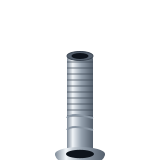
Rivet types, materials & joint performance
Shear and clamp values are representative for standard diameters on matched sheet; actual joint capacity depends on sheet thickness, hole clearance and stack material.
Material & rivet options
| Type | Class | Typical use |
|---|---|---|
| Open-end blind rivet | General | Light sheet, cabinets, signage |
| Sealed blind rivet | Water tight | Enclosures, outdoor panels |
| Structural (BOM) rivet | High strength | Automotive body, structural sheet |
| Rivet stud | Threaded point | Fixed serviceable attachment in thin sheet |
Size range & performance
| Parameter | Typical value | Note |
|---|---|---|
| Rivet diameters | 2.4 – 6.4 mm | Blind rivets |
| Rivet stud threads | M3 – M12 | Blind threaded studs |
| Grip range | 0.5 – 6.0 mm | By diameter |
| Shear strength | 1.2 – 22 kN | By diameter / material |
| Clamp strength | 1.0 – 18 kN | By diameter / material |
| Surface finish | Zinc / zinc-nickel / plain | By environment |
Permanent, one-sided, mixed-material
- Automotive body panels and trim where weld would distort
- EV battery enclosure sheet and cooling plates
- Composite and hybrid-material stacks where welding is impossible
- HVAC, signage and general sheet-metal fabrication
Riveting joins dissimilar materials without heat or galvanic welding, and stays quiet and vibration-resistant for the life of the assembly — the permanent alternative to bolted service joints.
Specify your rivet jointSee them in action
Explore how riveting and bonding fasteners join sheet, composites and body structures.
← Back to all product familiesYou may also need
Rivet nuts & rivet bolts
Blind threaded points that stay serviceable in the same thin sheet.
View familyAnti-loosening series
Locking fasteners for the serviceable bolts adjacent to a riveted structure.
View familyRiveting questions we hear most
A standard blind rivet is a low-cost, general-purpose fastener for light sheet. A structural (BOM / high-strength) rivet locks the mandrel into the body and gives much higher shear and clamp, so it can replace spot welds in load-critical automotive and body panels.
Yes. Riveting is one of the few joining methods that bonds aluminum, steel and composite stacks without heat or galvanic welding — the correct grip range and surface finish keep the joint corrosion-free.
Hole diameter is typically rivet diameter + 0.1–0.2 mm, and grip range must cover the total stack thickness. Send us the stack materials and thicknesses and we will confirm the exact rivet series, diameter and setting tool.
Replacing a weld with a one-sided joint?
Send us the stack materials, thickness and required shear/clamp — we'll recommend the rivet type, diameter and setting method, and supply samples for trial assembly.