
Cut mass.
Keep the strength.
Every gram matters in EVs, drones and humanoid robots. Lightweighting replaces steel with aluminum and engineered joints that stay strong and galvanically safe.
Where steel can go, aluminum usually can
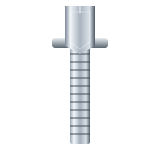
A standard steel bolt in an aluminum structure is often oversized and corrosive. Our ZT68 aluminum bolts and 6061 sleeves drop mass by 40-65% while meeting the joint's clamp requirement, and we spec dissimilar-metal isolation so aluminum on magnesium or carbon fiber does not become a corrosion problem.
- ZT68 high-strength aluminum bolts for structural and non-structural joints
- 6061 lifting sleeves, spacers and custom aluminum parts
- Magnesium- and carbon-compatible fastener pairing to prevent galvanic corrosion
- Weight-vs-clamp trade-off analysis for each joint
Assemblies we de-mass
EV & battery systems
Aluminum fasteners on trays, covers and brackets where range is mass.
Robotics & drones
Light joints that save payload and raise dynamic response.
Aerospace & defense
Qualified aluminum and titanium-compatible hardware for weight-critical structures.
The lightweight families designers ask for most
Lightweighting questions we hear most
Typically 40-65% on the fastener itself when replacing steel with our ZT68 aluminum bolts, and more when you also down-size the joint. We quantify it per joint against the required clamp load.
Galvanic risk comes from pairing dissimilar metals. We spec compatible alloys, coatings and washers so the joint stays stable in service.
Per part, no - but a correctly designed aluminum joint with the right diameter and clamp length meets the actual load, and that is what the machine needs. We model it so you do not over-spec.
Need to cut weight without re-designing the whole joint?
Send the joint list and mass target - we will map every joint to a lighter fastener or sleeve with the numbers to back it.