

Technical Cleanliness of Bolts: ISO 16232, VDA 19.1 and the Three Cleanliness Classes
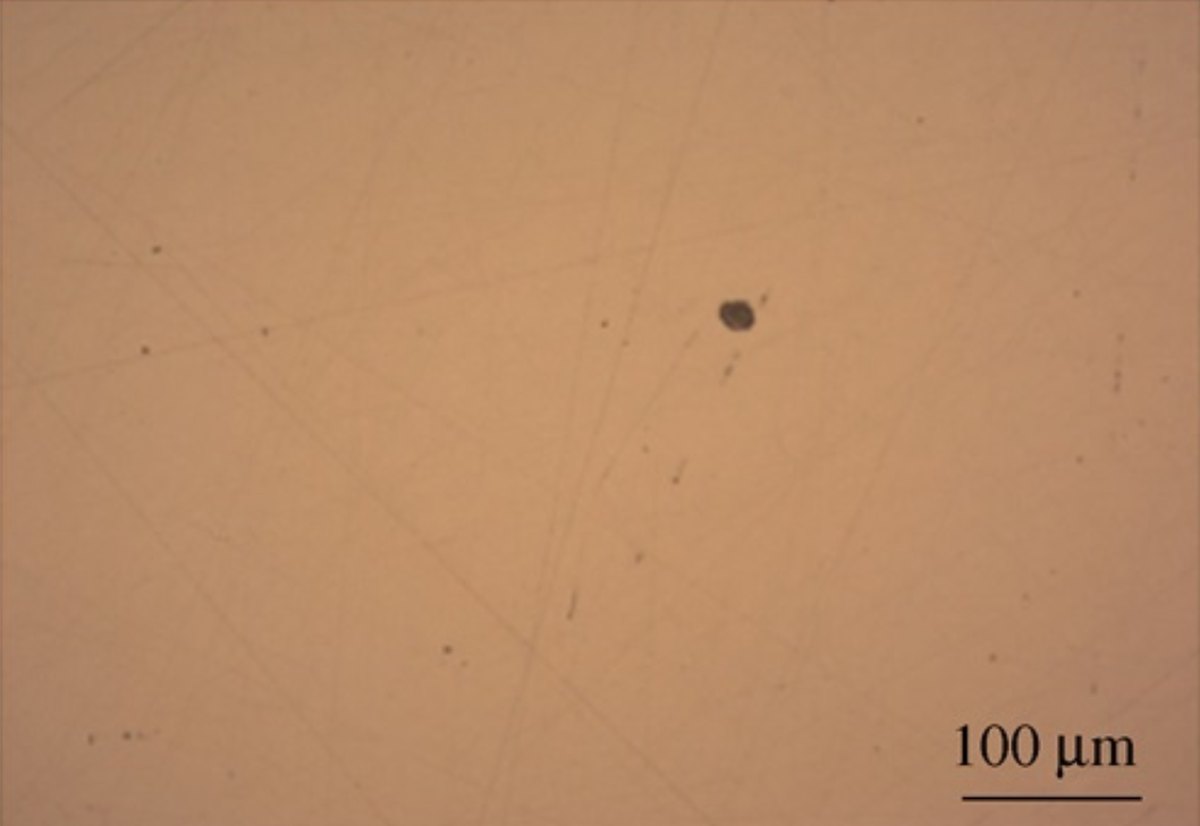
Traditional fastener quality control stopped at tensile strength, hardness, torque and plating. In NEV battery packs, hydraulic valves, autonomous-driving sensors and aerospace actuators, micron-level particulate contamination — invisible to the eye — now causes batch failures. Technical cleanliness has moved from a nice-to-have to a mandatory drawing spec, on a par with mechanical strength.
The short answer: if a bolt sits in a high-voltage conductive path, a precision fluid circuit, an optical sensor or an aerospace actuator, the drawing must call out a cleanliness class, an extraction method and a particle limit. A bolt without a cleanliness spec should not be allowed into a high-reliability safety part.
What goes wrong when bolts are not clean
- NEV high-voltage systems. Conductive metal particles pierce cell separators, causing internal short and thermal runaway. Loose particles raise contact resistance at high-voltage terminals, causing overheating and arc faults that trigger BMS alarms or HV fusing.
- Hydraulic / fluid equipment. Particles block valve orifices, scratch seal faces, cause leaks, jamming and pressure fluctuation — shortening pump and cylinder life.
- Autonomous perception. Dust on LiDAR windows and camera lenses causes distorted imaging and ranging failure.
- Aerospace mechanisms. Hard metal debris wears bearings and servos — a Class-1 safety risk.
The standards that govern bolt cleanliness
There is no bolt-specific cleanliness standard; the industry reuses general component-cleanliness specs. Four systems cover all cases:
| Standard | Industry | Focus |
|---|---|---|
| ISO 16232:2018 / GB/T 41481-2022 | Global automotive (mother standard) | Unified extraction, gravimetric + particle-count methods, blank calibration, dual-pass fail |
| VDA 19.1 / 19.2 (2025) | German OEMs, NEV battery makers | Practical class limits, decay test, full-process assembly control |
| NAS 1638 / IEST-CC1246E | Aerospace / defense | Ultrafine hard particles, ionic contamination; K0.3 class, 0.5 µm control |
| ISO 4406 | Hydraulic industry | Fluid-side free particle limits for valve-body bolts |
Drawings typically read: "per ISO 16232 method, limits per VDA 19.1 class."
The three common cleanliness classes and their limits
The standards define the method; the OEM drawing defines the limit. Three classes cover most bolt applications:
- General machinery class (VDA Class C) — body sheet-metal, non-load brackets. Total contamination ≤0.3 mg/bolt; ≥100 µm particles ≤200; ≥50 µm ≤2000; no ≥320 µm hard metal particles.
- Medium-high precision (VDA Class B) — motor housing, hydraulic joints, energy-storage low-voltage modules. Total ≤0.1 mg; ≥100 µm ≤100; ≥50 µm ≤1000; no ≥200 µm metal swarf.
- Ultra-clean safety class (VDA K0.3) — EV battery packs, HV电控, autonomous core parts. Total ≤0.03 mg/bolt; ≥50 µm ≤100; ≥100 µm ≤10; no ≥150 µm conductive metal particles at all — coating debris, steel swarf and aluminum chips are fatal defects; SEM/EDS material identification required.
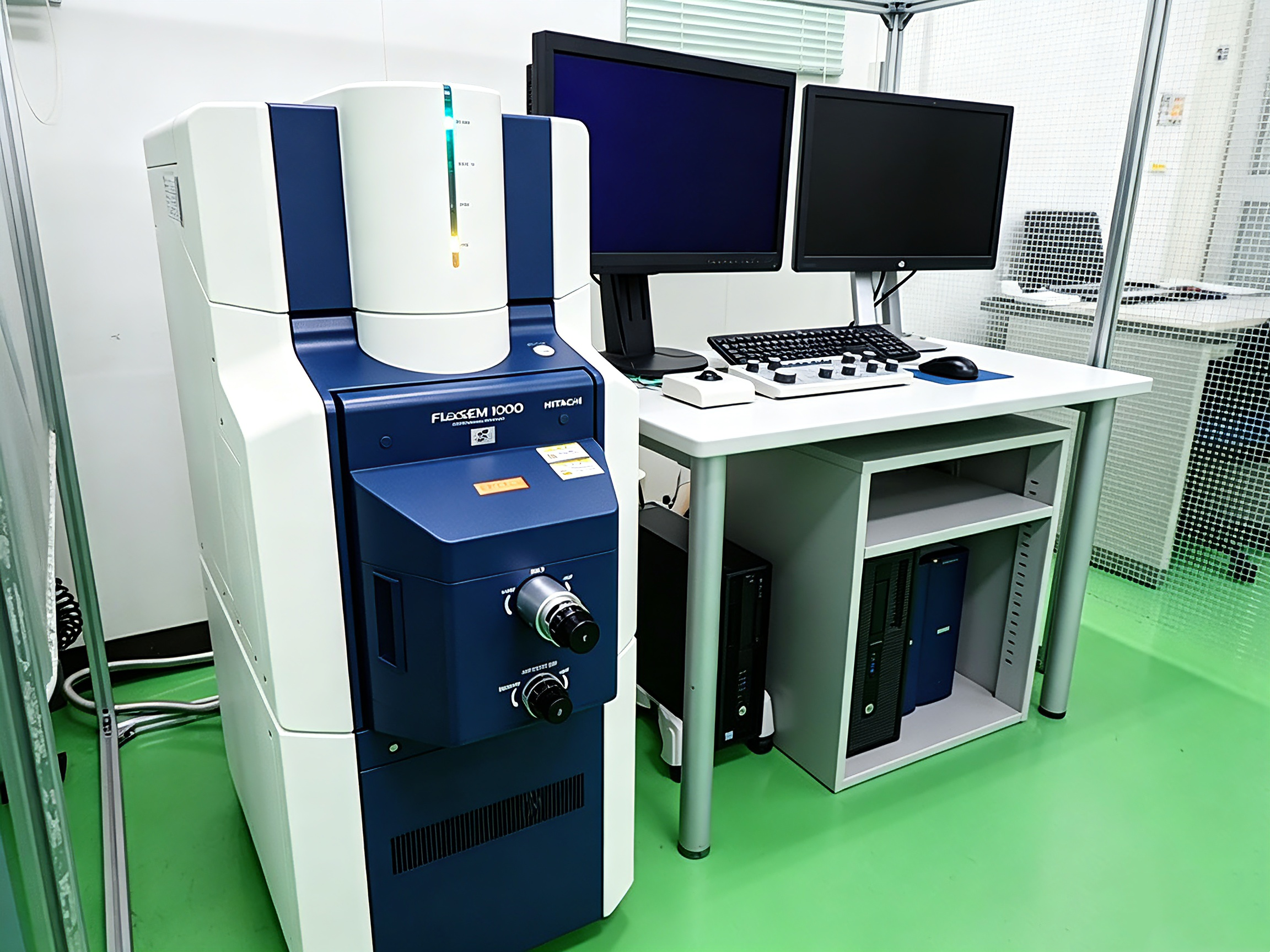
Cleanliness cannot be managed by wiping. It requires a closed loop: cold-heading near-net forming (less chip than machining), ultrasonic deburring, controlled coating baths, vacuum packaging, incoming inspection, controlled assembly area, and post-assembly vacuuming — the full VDA 19.1 + 19.2 chain. Toprecision supplies NEV-grade fasteners with documented extraction, blank-calibrated gravimetric/particle-count reports and SEM/EDS identification on request. Ask for a cleanliness data package for your next HV battery or hydraulic program.