

Fastener Surface Treatment Selection: DLC, PVD, CVD, Zinc-Nick and Dacromet Compared
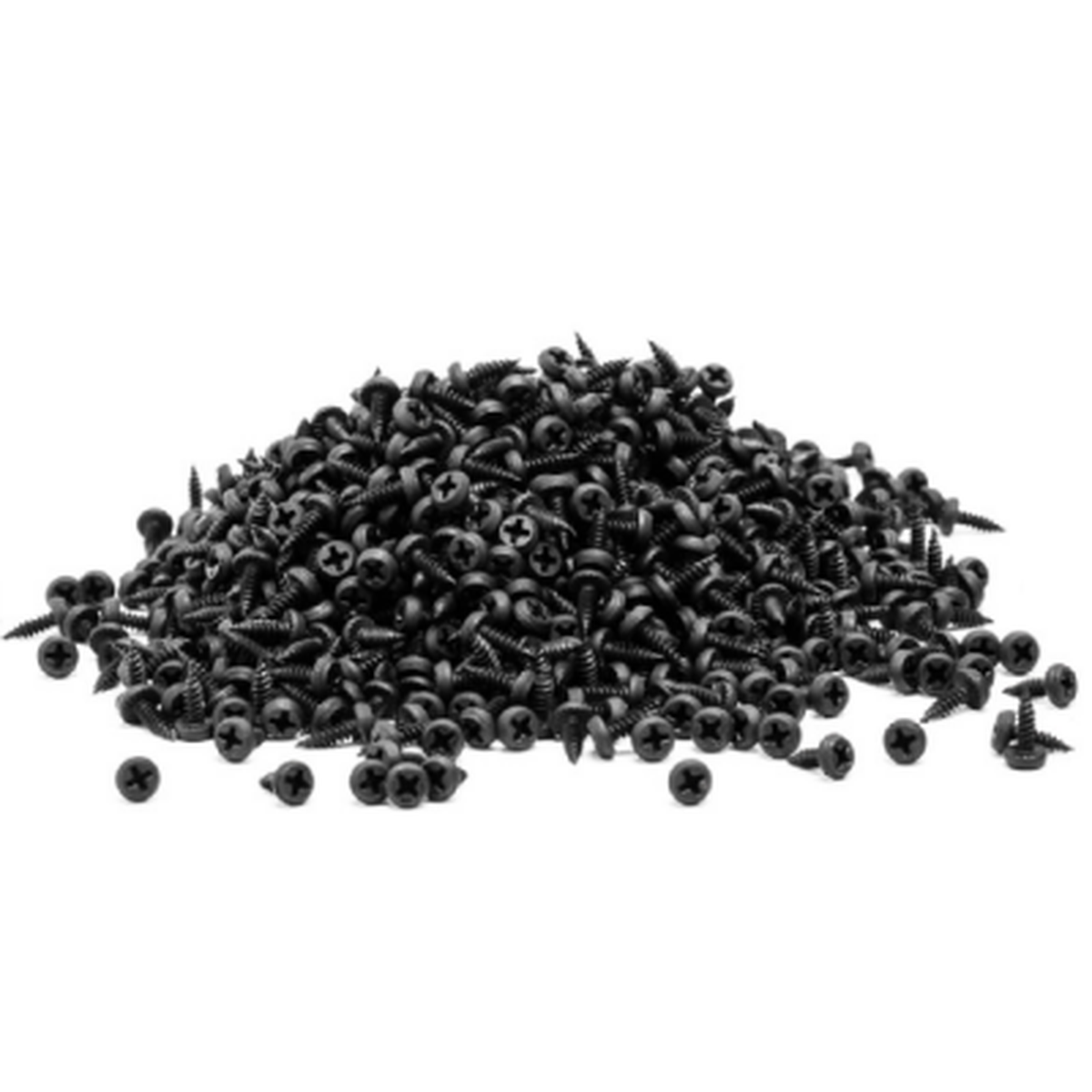
The life of a fastener is not decided by the steel alone — the surface treatment decides whether it corrodes, seizes, or holds torque consistently in production. Plain zinc plating and black oxide no longer meet the demands of NEV, wind power, precision instruments and high-vibration assembly. Nine special treatments now dominate, and choosing the wrong one quietly costs more than the coating premium ever saved.
The short answer: pick the coating by the failure mode you are actually worried about — corrosion, galling, electrical insulation, high temperature, or anti-loosening. The table below maps each treatment to where it wins and where it fails.
The nine special fastener coatings at a glance
| Coating | Core strength | Best for | Weakness |
|---|---|---|---|
| LC (organic dry film) | Electrical insulation + stable torque | NEV battery connections,电控, anti-eddy-current | Low hardness, not for high wear |
| DLC (diamond-like carbon) | Ultra-hard, ultra-low friction, self-lubricating | Premium precision threads,往复运动, automotive core parts | Costly, temperature ceiling limited |
| PVD (physical vapor deposition) | Thin hard film (TiN/TiCN), no hydrogen embrittlement | Precision mold screws, aerospace micro fasteners | Weaker heat/corrosion than CVD |
| CVD (chemical vapor deposition) | High-temp, heavy-load, corrosion-resistant | Engine hot-zone, turbo, chemical plant fasteners | High temp risks 10.9/12.9 tempering |
| Pre-applied adhesive | Thread lock + seal, activates on tightening | Chassis, hydraulics, vibrating assemblies | Shelf life, no wear/corrosion protection |
| Zinc-aluminum (Dacromet / Cr-free) | Zero hydrogen embrittlement, 500–1500h salt spray | 10.9/12.9 grade, wind, solar, outdoor steel | Soft surface, poor conductivity |
| Zinc-nick plating | Good salt spray, decorative, compatible steel | General outdoor, automotive underbody | Hydrogen embrittlement risk on high-strength |
| PTFE (Teflon) | Dry lubrication, chemical resistance | Food/pharma, chemical fasteners | Temperature limit ~260°C |
| Graphite lubrication | High-temp dry lubrication | Furnace, hot-process fasteners | Dirty, not for clean assembly |
The three decisions engineers actually make
Is it a high-strength bolt (10.9/12.9)? Then avoid electroplating routes that carry hydrogen embrittlement — go zinc-aluminum Dacromet or PVD, not plain zinc-nick. The coating must not temper-temper the base material.
Is it a magnesium/aluminum joint? Then the coating must stop galvanic corrosion — LC organic dry film or a matched plating, paired with an insulating washer. A steel bolt in a magnesium tray without this corrodes from the bottom up.
Is it automated assembly? Then friction coefficient control matters more than raw corrosion rating. LC dry film and triple-stage lubrication hold friction between 0.09–0.15, tightening torque scatter drops, and the line stops fighting sticky threads.
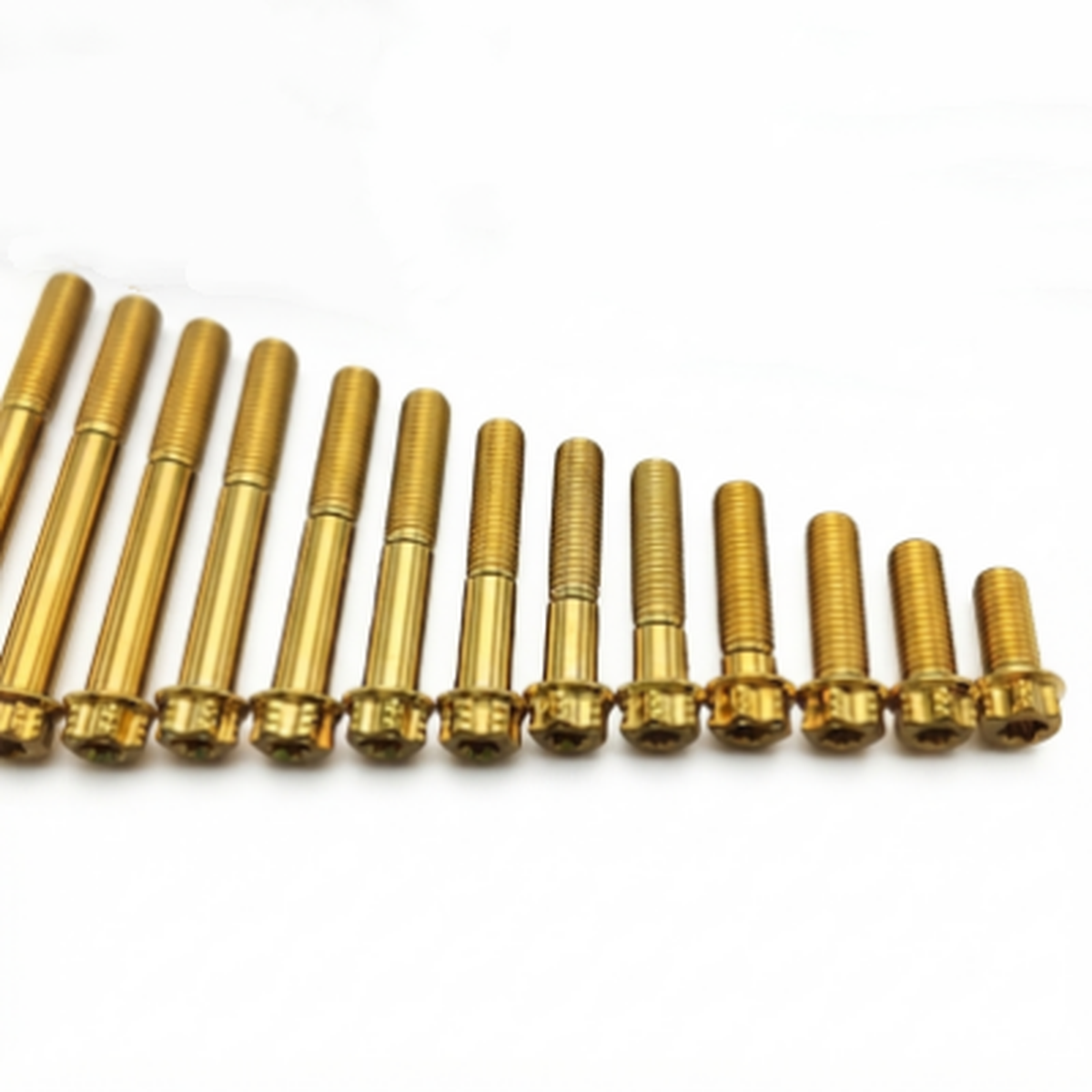
Toprecision applies all nine treatments in-house and pairs them with the right substrate (12.9 alloy steel, stainless 304, titanium, aluminum). For a joint that keeps loosening or corroding, send the drawing and service environment — we will recommend the coating, not just the finish. Request a surface-treatment consult with salt-spray and friction-coefficient test data.