

Inside the Cold Header: How a Screw Is Born in One Stroke
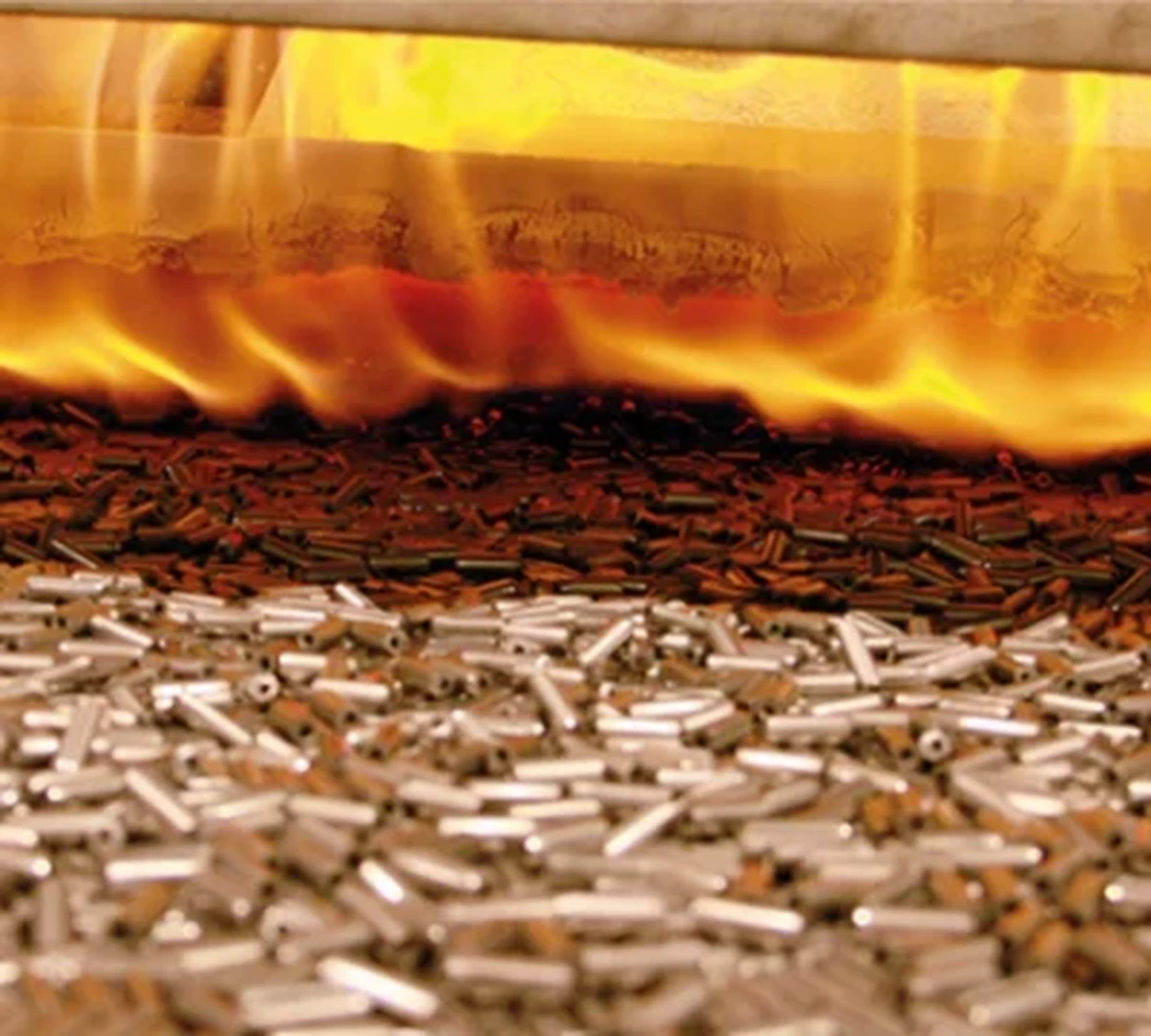
Every catalog screw began as a coil of wire and a single hammer stroke. Cold heading is the most productive metal-forming process in industry — and its physics explain fastener quality.
Bottom line: for most Precision Screws applications the decision comes down to load, environment and assembly method — the Precision Screws guide walks through the selection.
The stroke, frame by frame
Wire feeds to a stop, gets cut to length, clamped in a die, then struck by punches that upset the material into the head geometry — one stroke, one blank, at 100–300 per minute. Transfer fingers move the blank through stations: preform, final head, and sometimes point forming, all within the same machine cycle.
Why the process defines quality
- Grain flow follows the head contour continuously — the fatigue advantage no machining reproduces.
- Work hardening strengthens the surface exactly where stress concentrates.
- Die wear is the quiet enemy: a worn die drifts head dimensions micron by micron, which is why SPC charts track headed blanks, not just finished screws.
Material matters before the machine
Cold-heading grades of wire (specified for ductility and surface quality) head cleanly; wrong grades crack. Topprecision sources certified heading wire, monitors die condition through SPC, and produces blanks whose grain structure — visible in sectioned samples — is the reason our cold-headed aluminum bolts outperform machined equivalents.
Key specifications at a glance
| Parameter | Typical range | Note |
|---|---|---|
| Thread size range | M1.6–M24 standard, up to M64 special | Custom diameters available |
| Property class | 4.6–12.9 steel, A2-70/A4-80 stainless | Per ISO 898-1 / ISO 3506 |
| Surface finish | Zinc, Dacromet, PTFE, DLC, PVD | Matched to service environment |
| Production method | Cold heading + thread rolling | CNC turning for specials |
| Quality standard | ISO 9001, IATF 16949 | Batch traceability |
Need fastener engineering support?
Toprecision manufactures precision fasteners in-house — send the drawing, service environment and annual volume. We will recommend the material, grade, coating and process that match the joint requirement. Request a fastener consult.